
REDD+ Sur del Meta
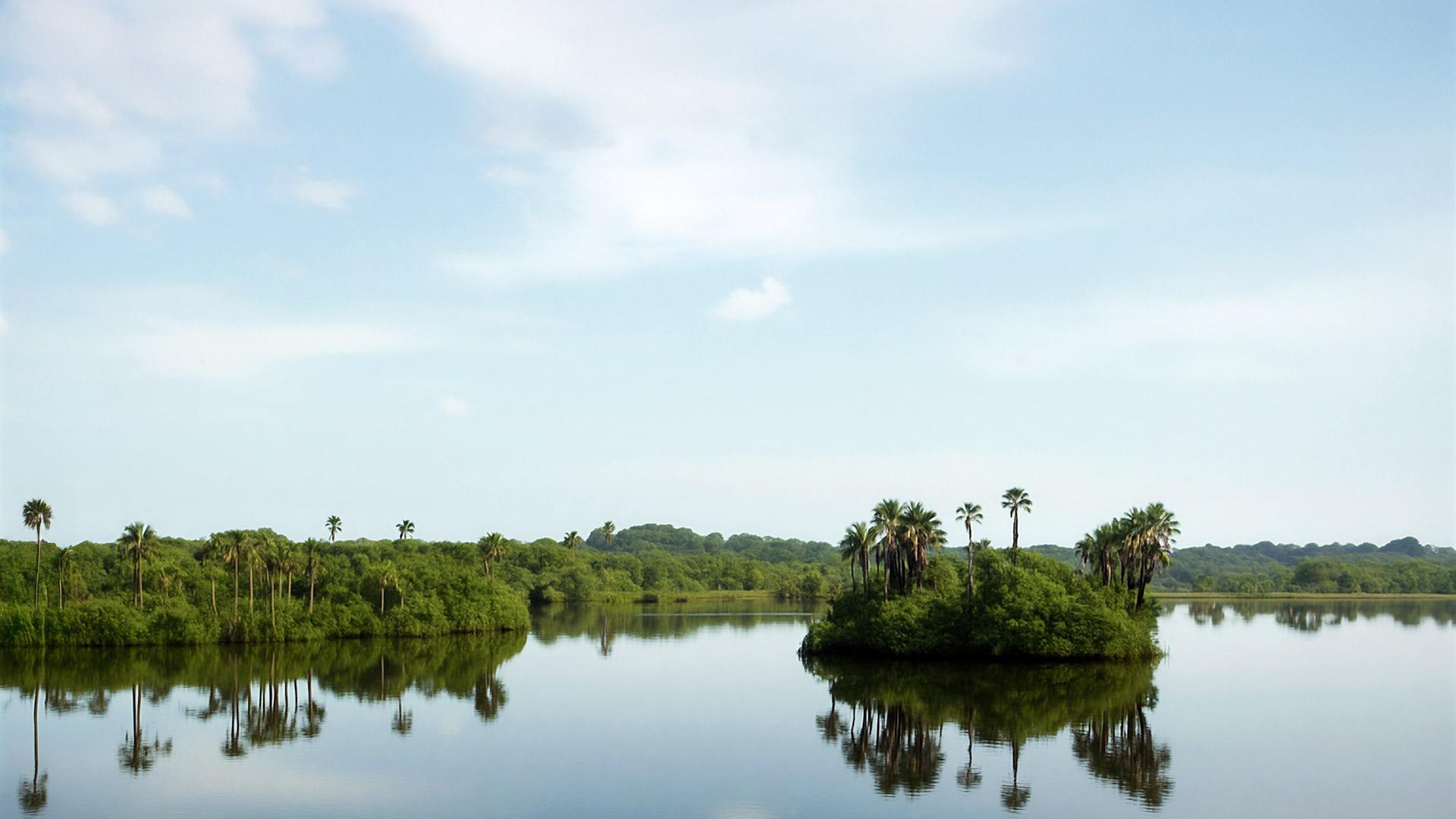
Protecting forests, supporting communities, and building a sustainable future. Supporting 985 rural families while protecting more than 40,000 hectares of natural forest in Meta, Colombia.
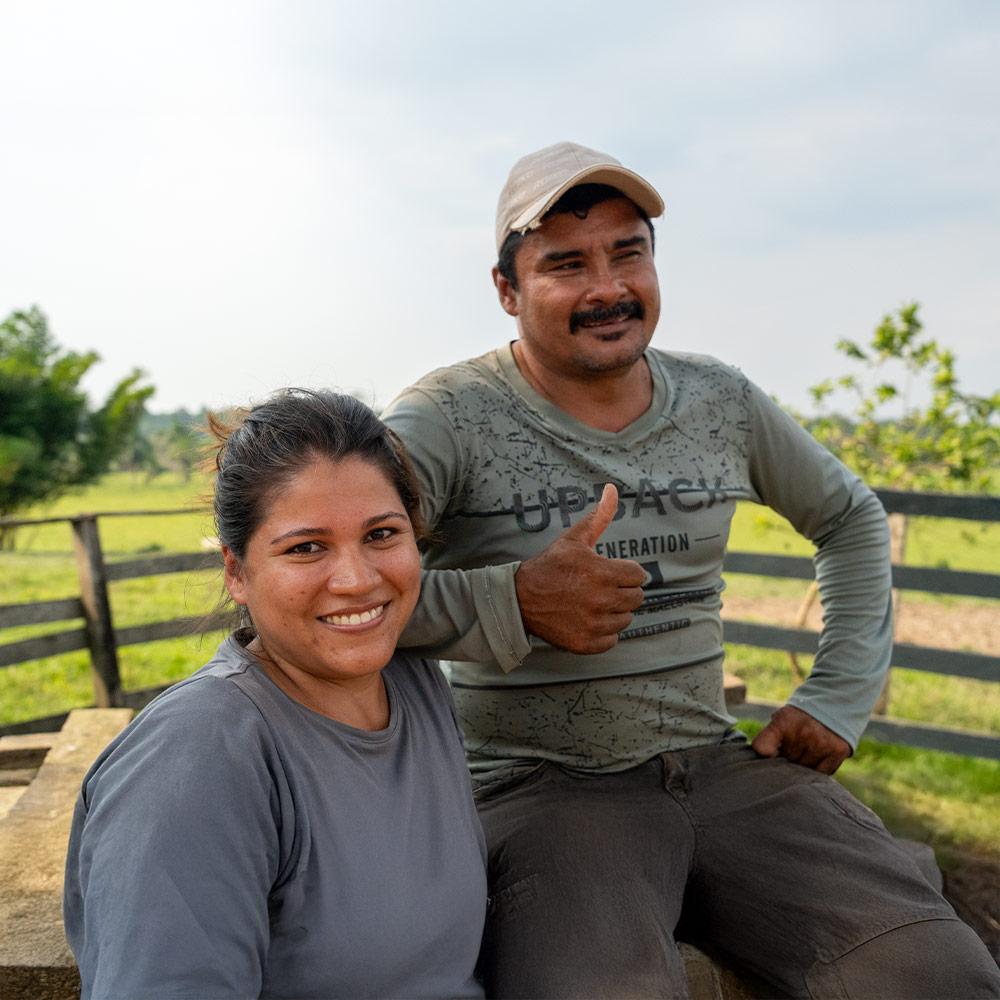
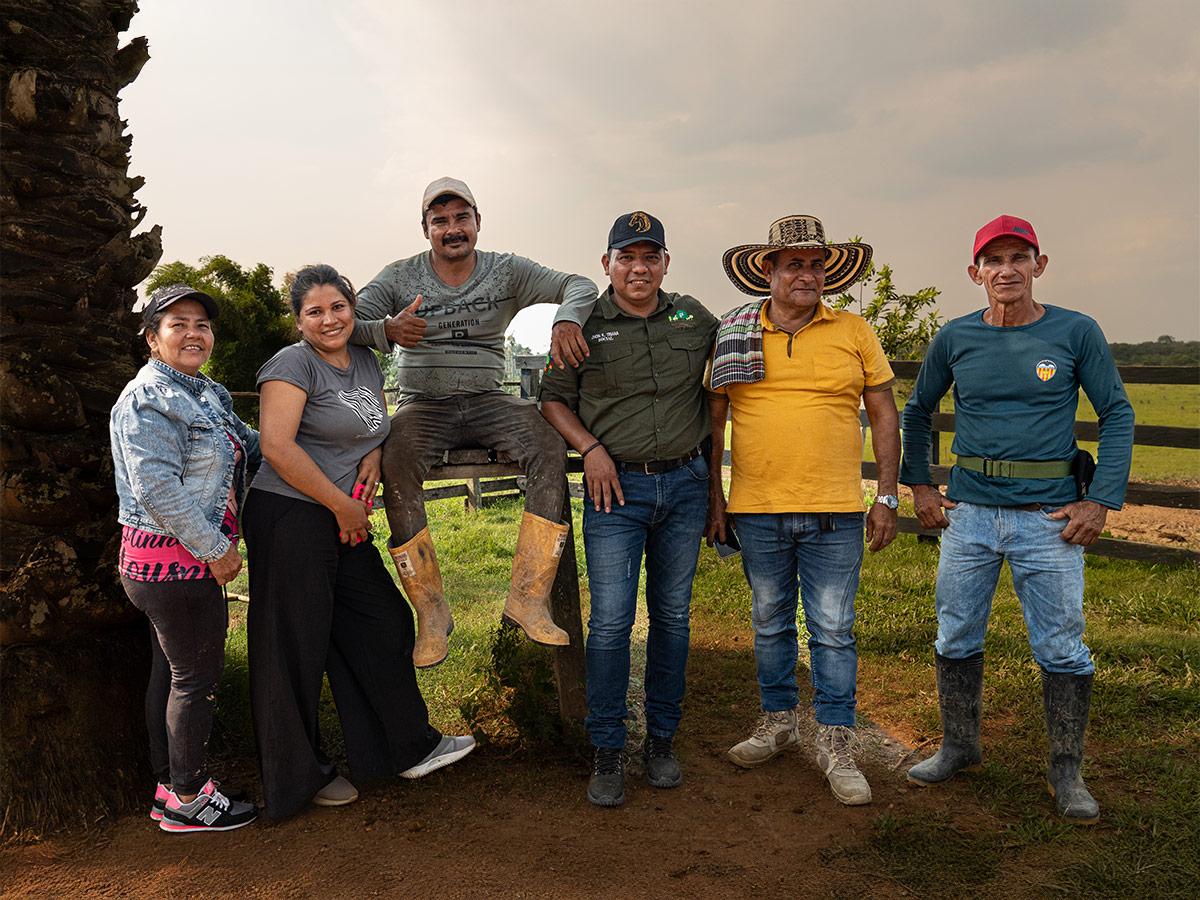
Rather than simply fencing off land, the project works directly with the 985 rural families who call this territory home.
Average annual reduction
121,600 tonnes CO₂
Project Summary
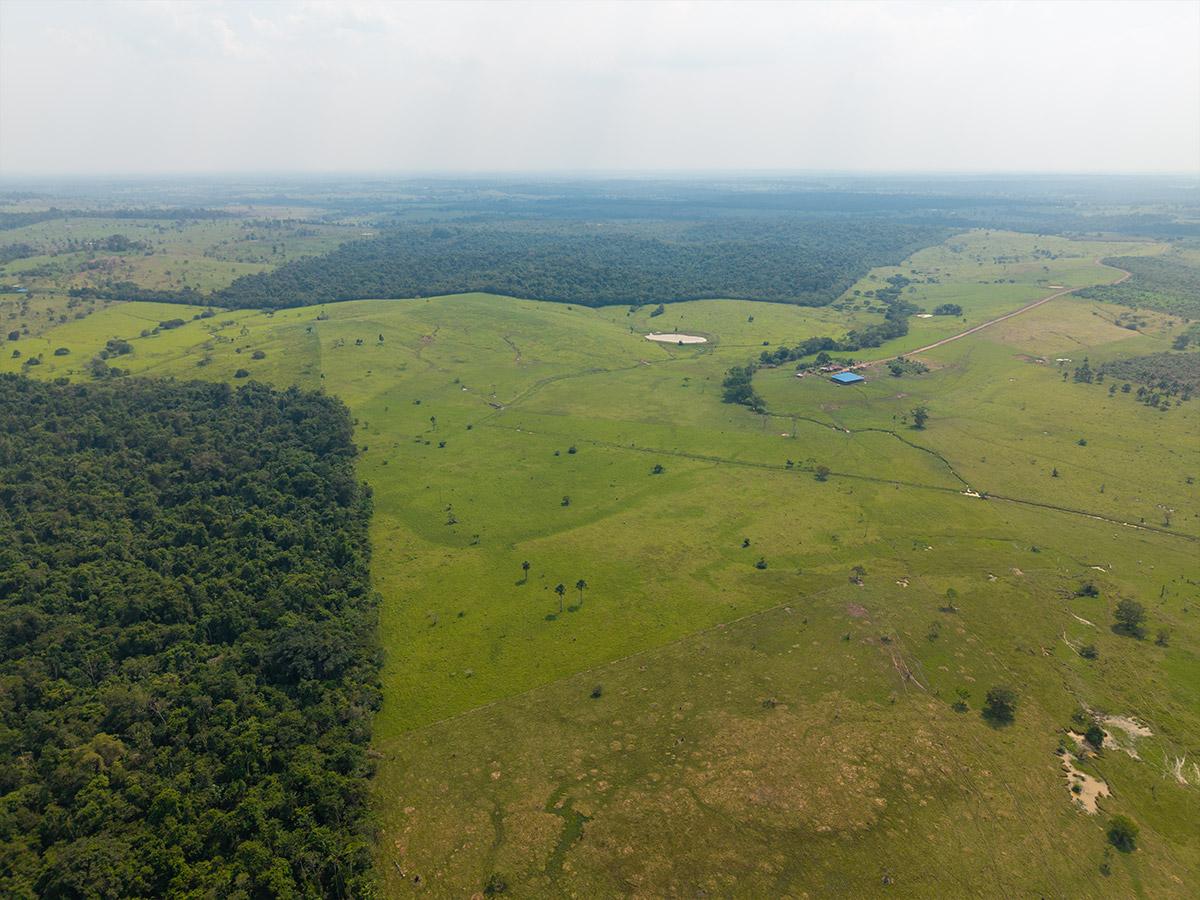
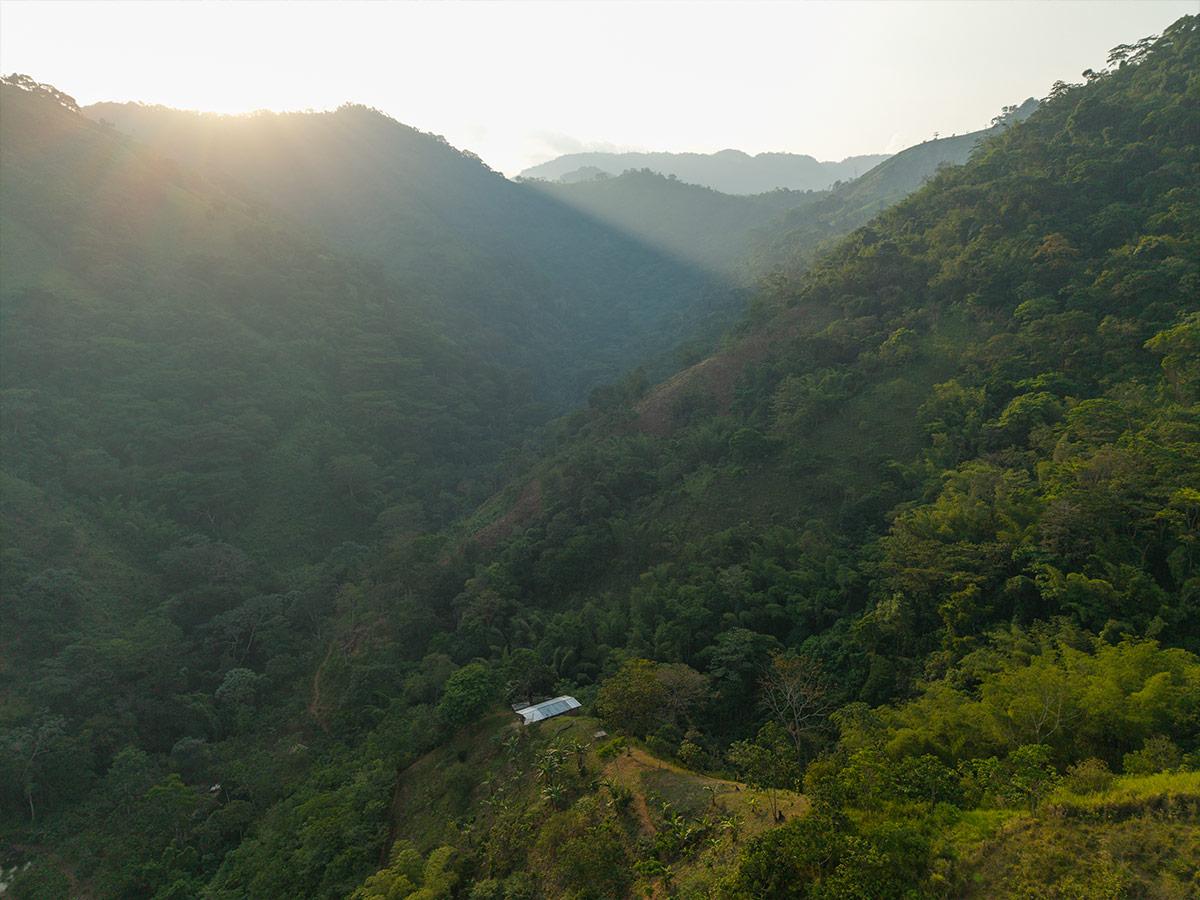
The REDD+ Sur del Meta – Bosques de Paz, Sustento de Vida project protects 40,637 hectares of native forest across four municipalities in the Meta department of Colombia — Vista Hermosa, Puerto Rico, Puerto Concordia and Puerto Lleras. These forests are under real pressure from cattle ranching and agricultural expansion, the leading drivers of deforestation in the region.
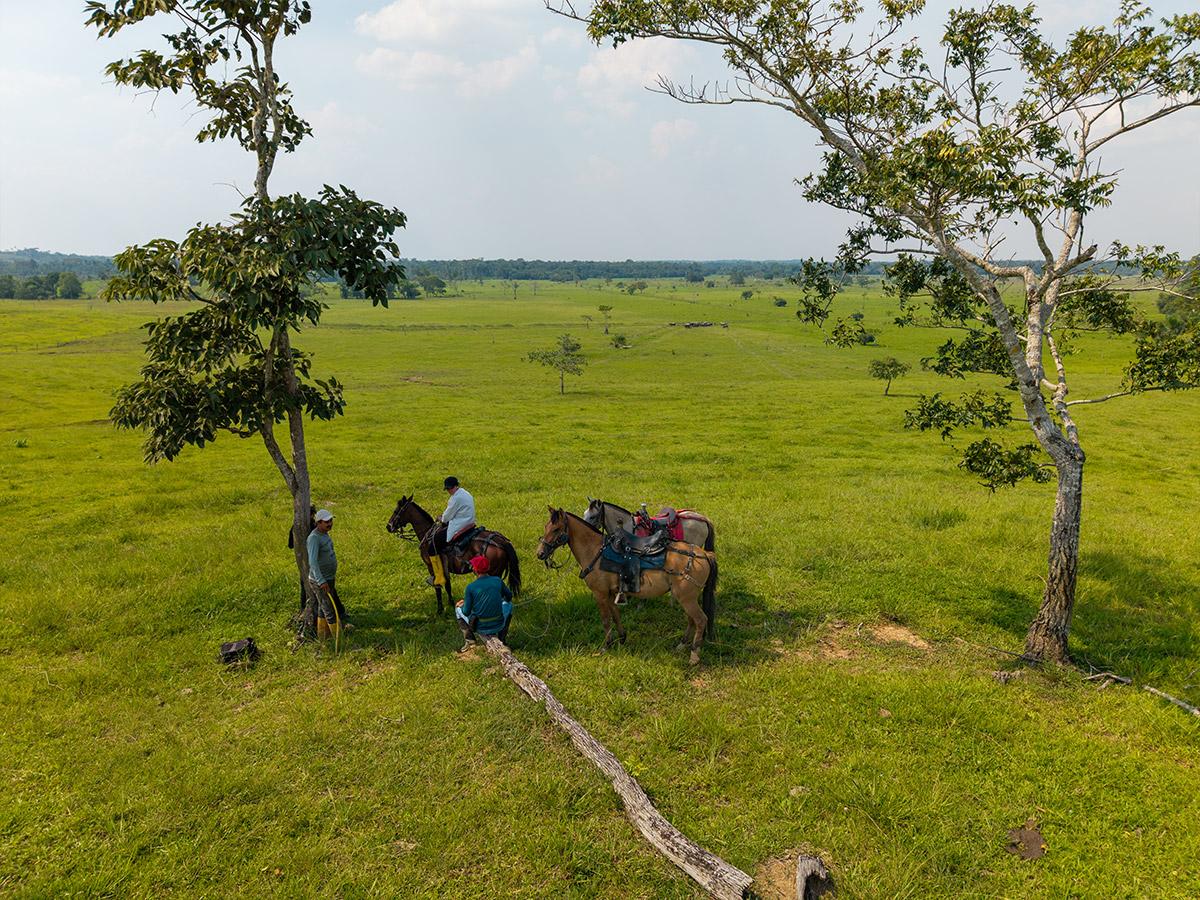
Rather than simply fencing off land, the project works directly with the 985 rural families who call this territory home — many of them survivors of Colombia's decades-long armed conflict — helping them build sustainable livelihoods, strengthen their communities and secure their land, while the forest around them keeps standing.
Over a 30-year period, this is expected to avoid roughly 3.7 million tonnes of CO2 emissions — an average of 121,600 tonnes every year — while generating lasting benefits for people, climate and biodiversity.
Project Area & Location Map
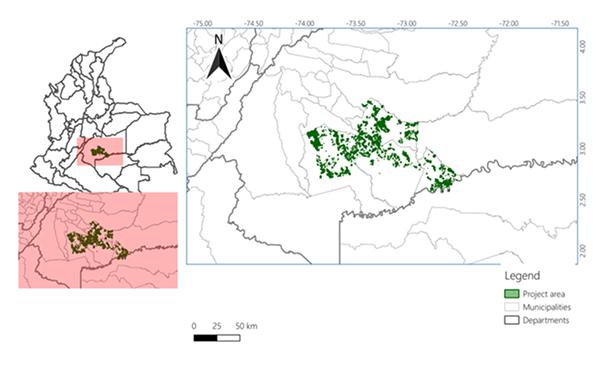
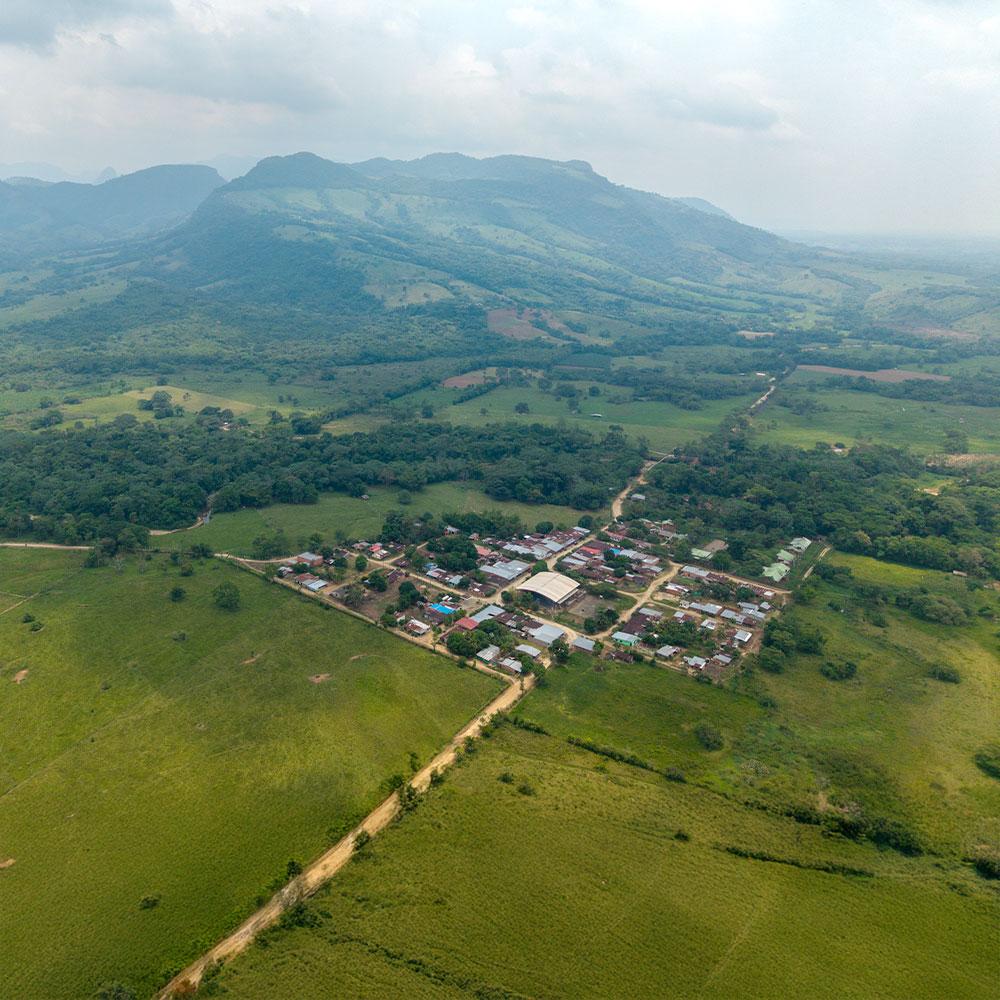
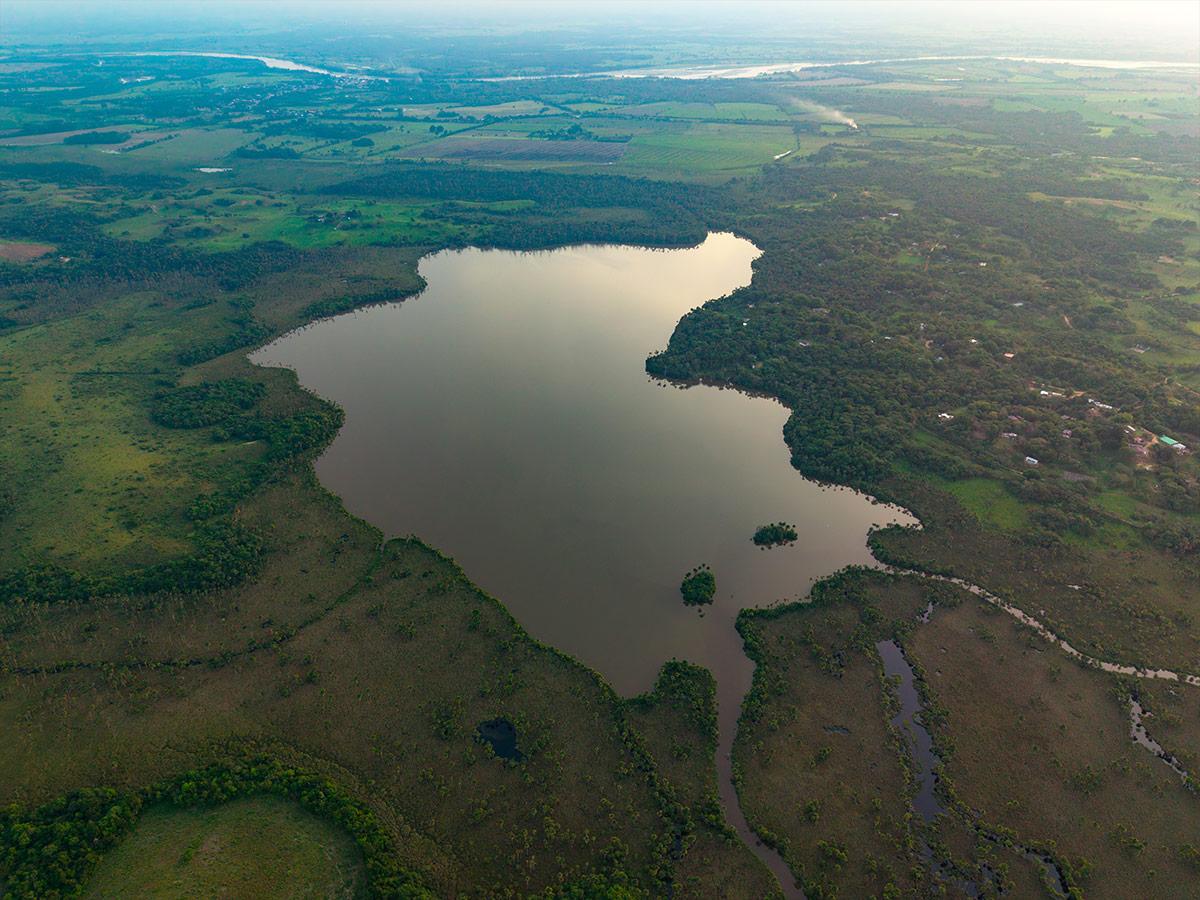
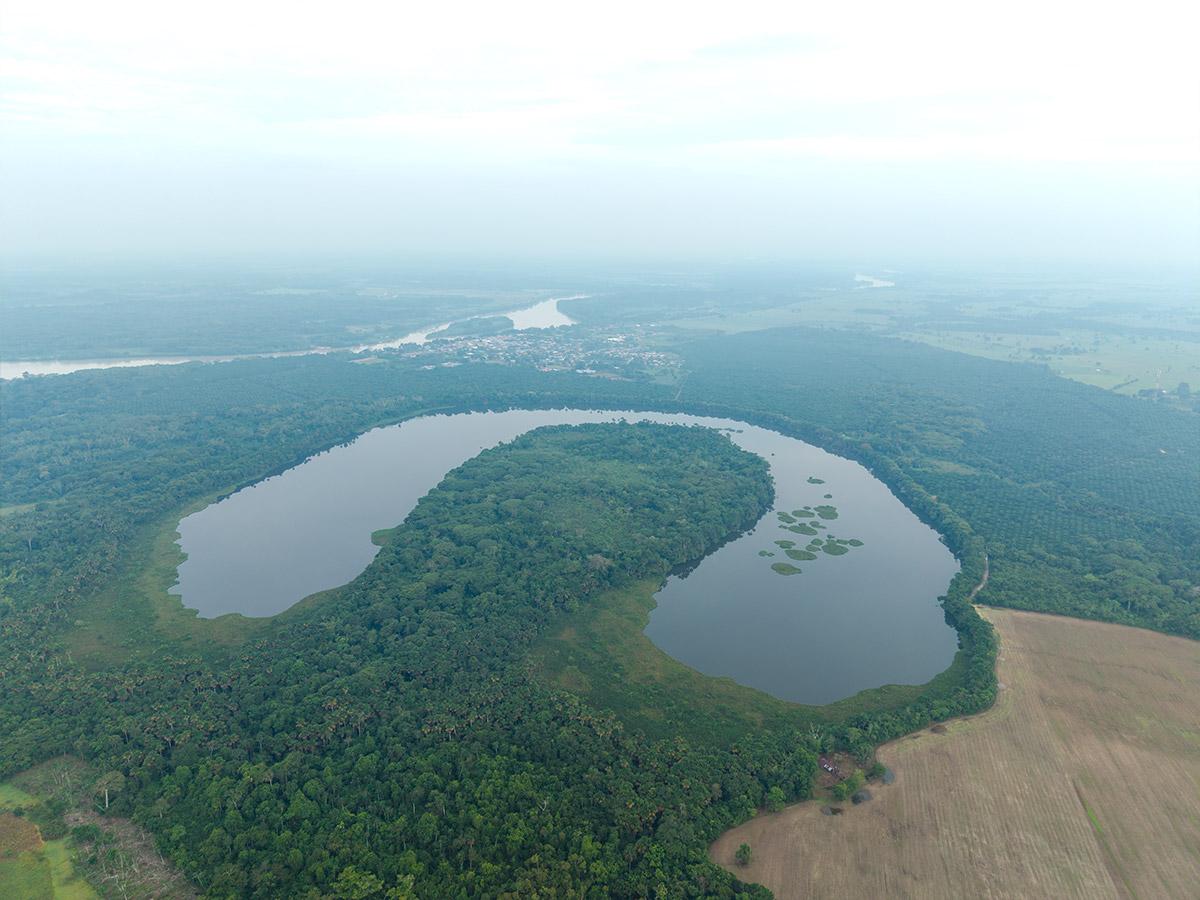
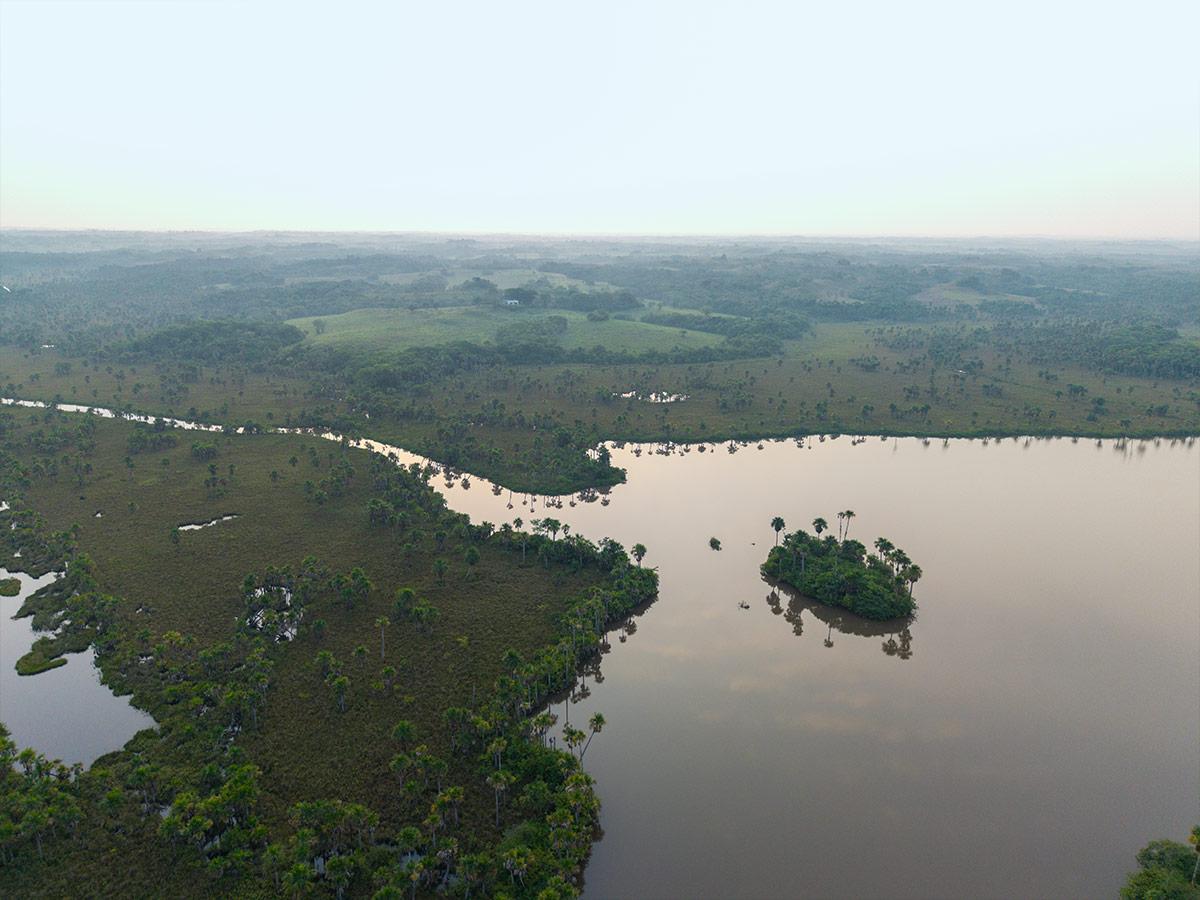
The project protects 40,637 hectares of native tropical forest across four municipalities in southern Meta, sitting within the Amazon–Orinoco transition zone and entirely inside the special La Macarena management area (AMEM), right next to the Sierra de La Macarena National Natural Park.
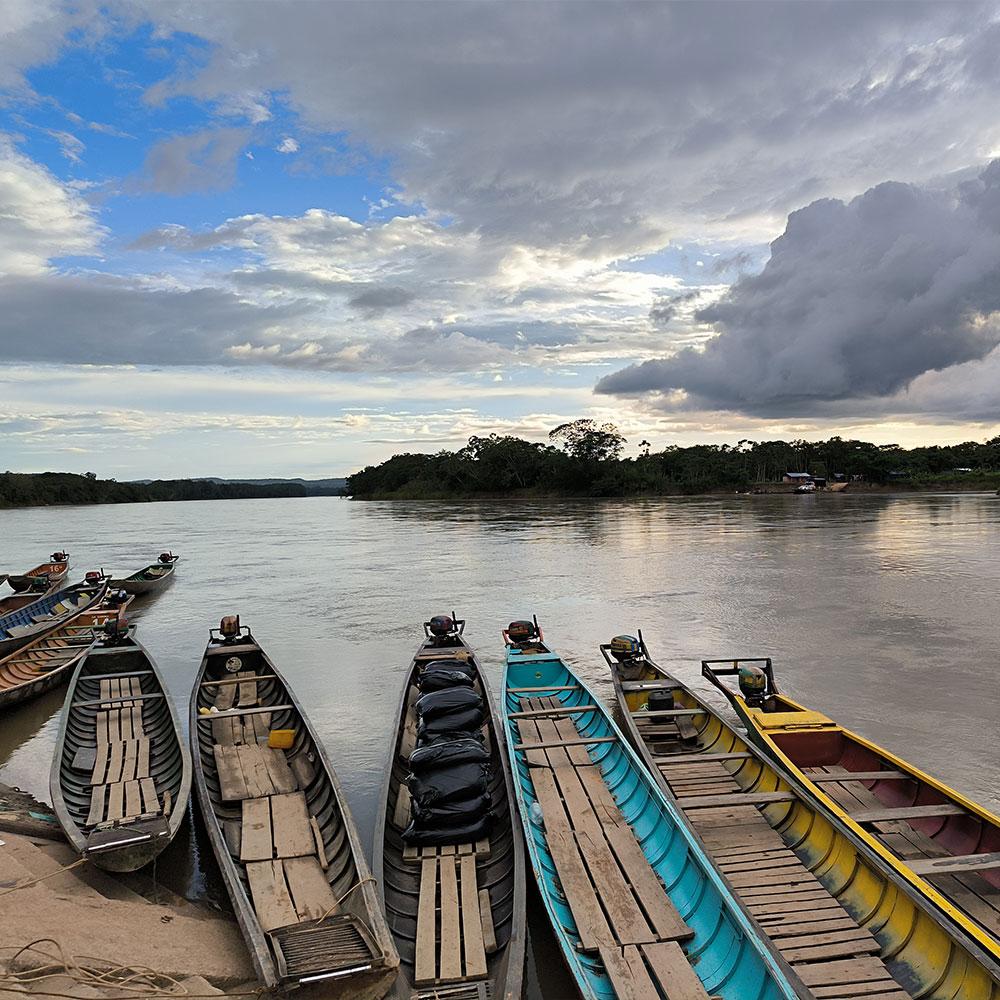
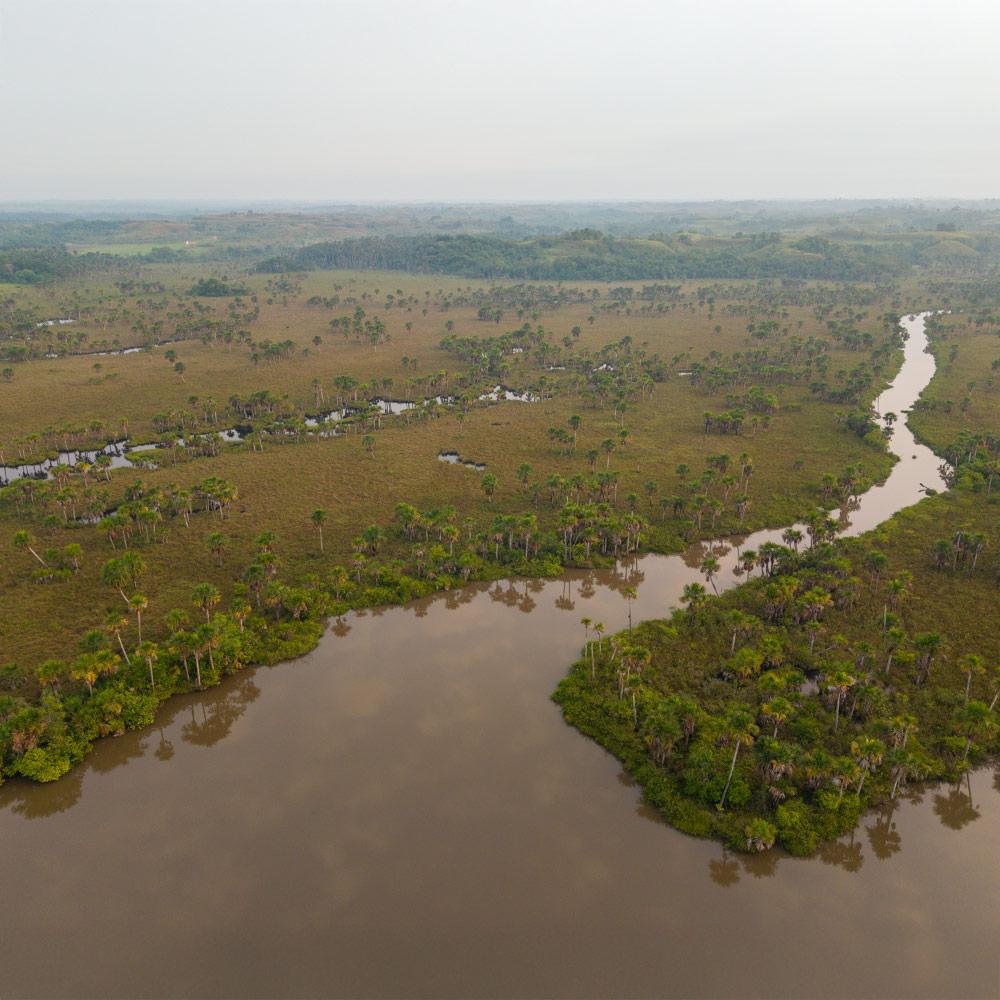
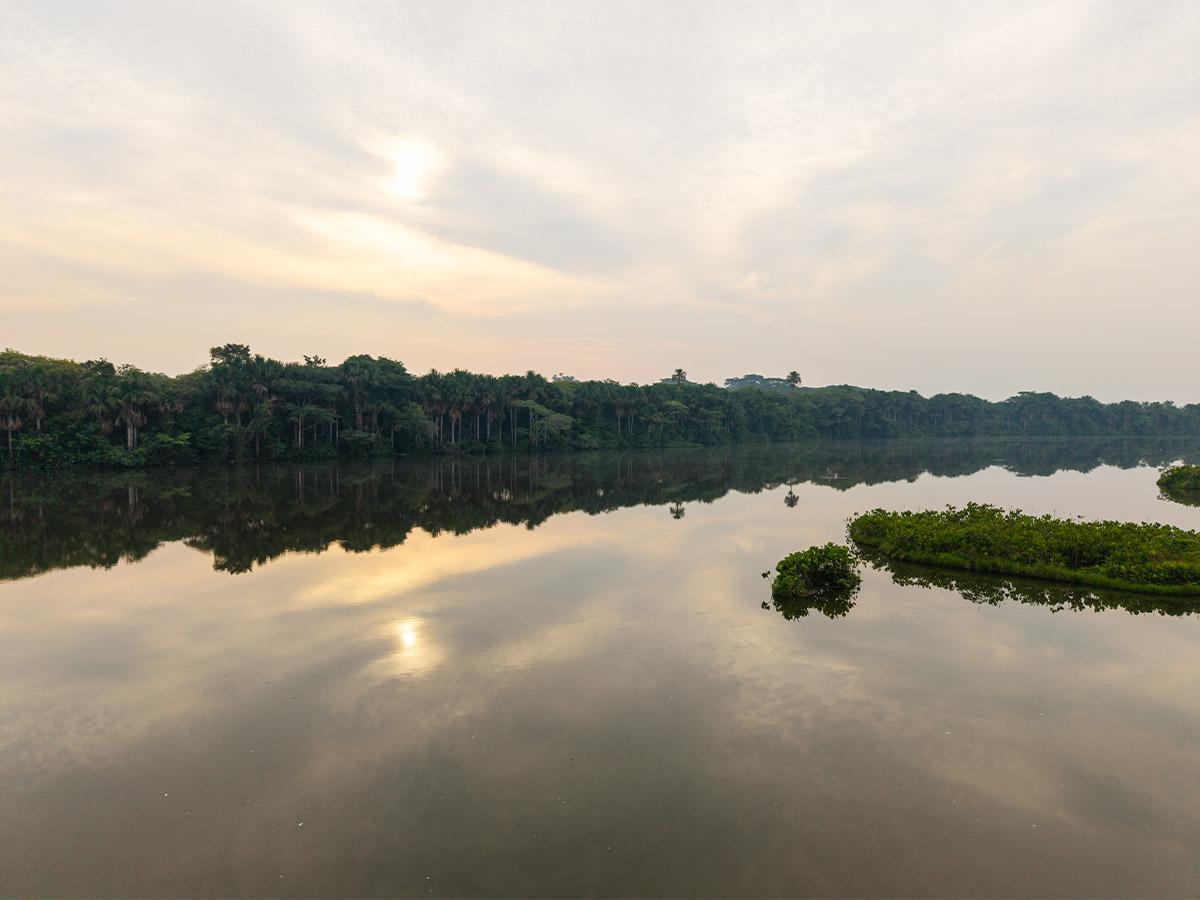
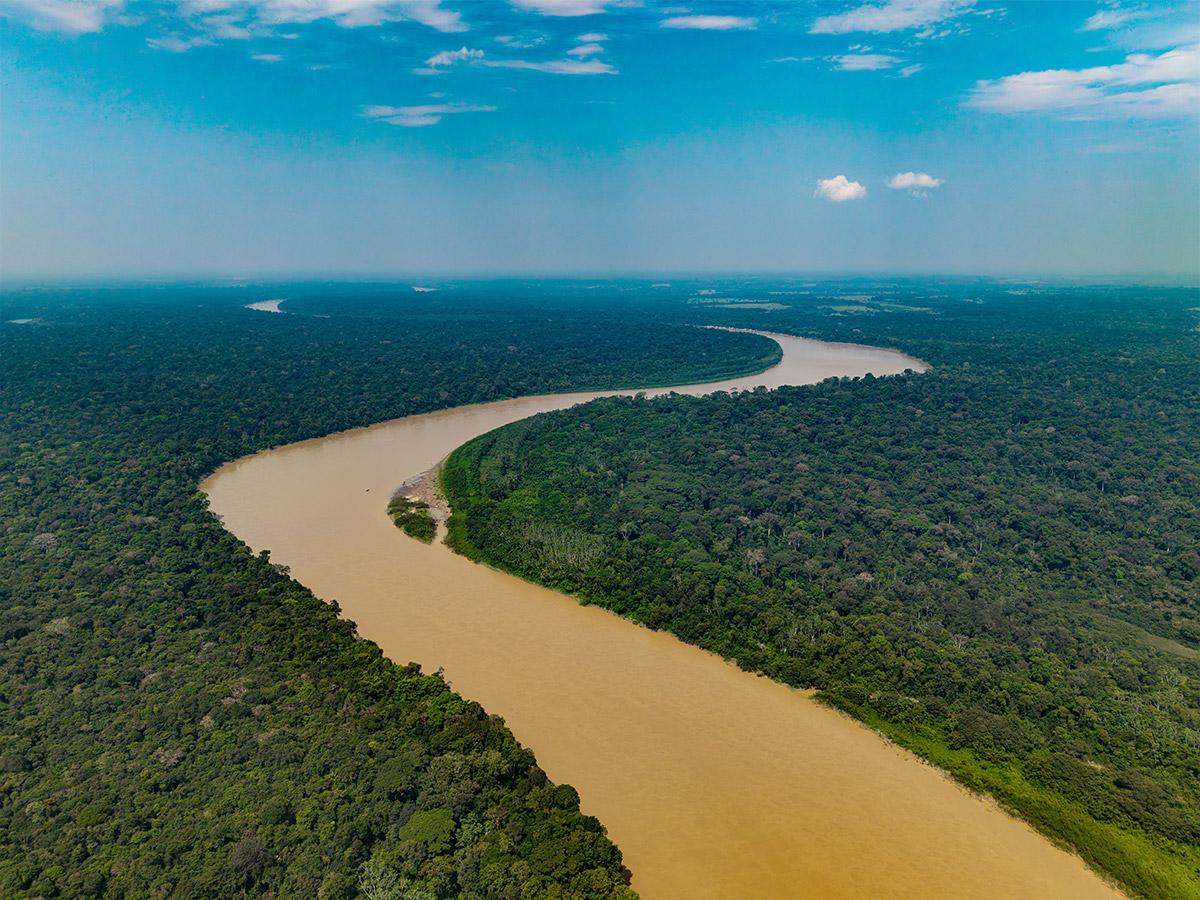
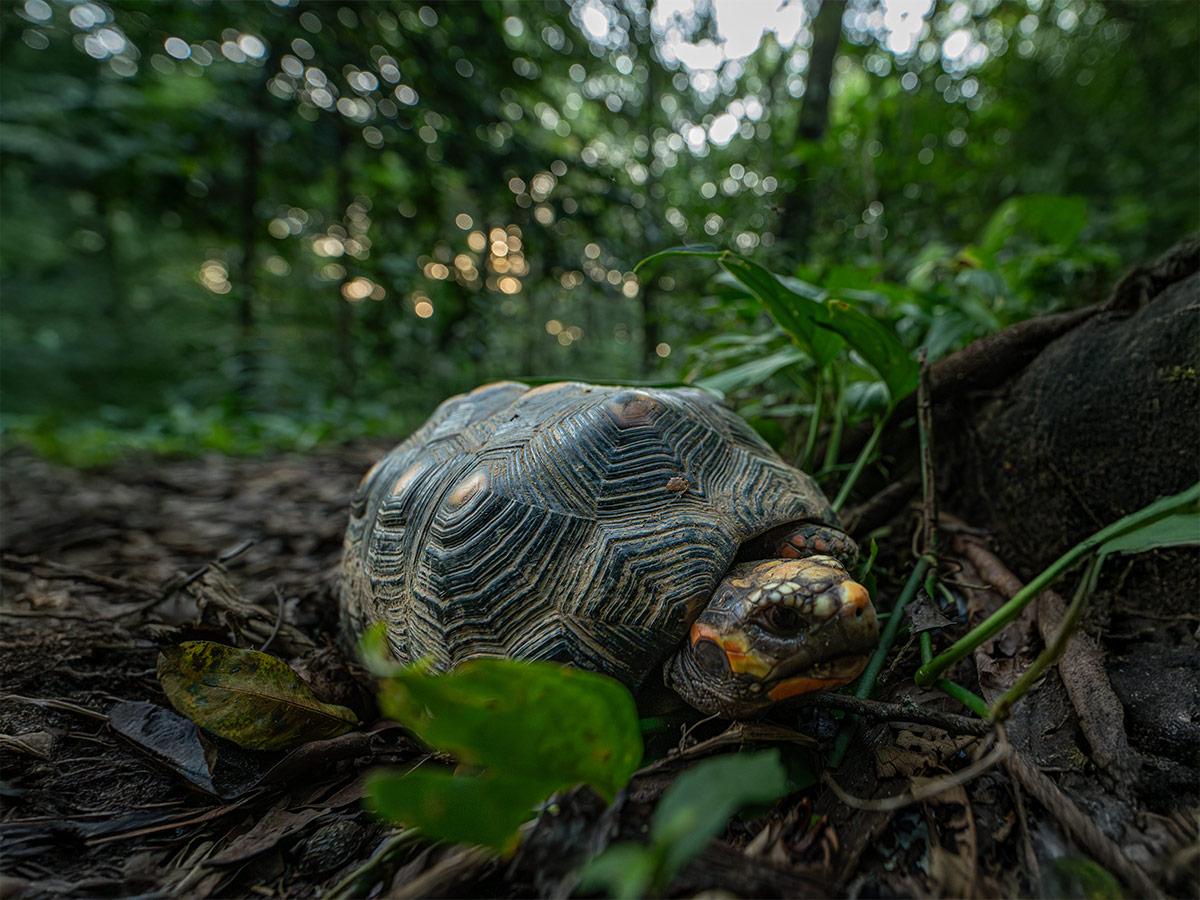
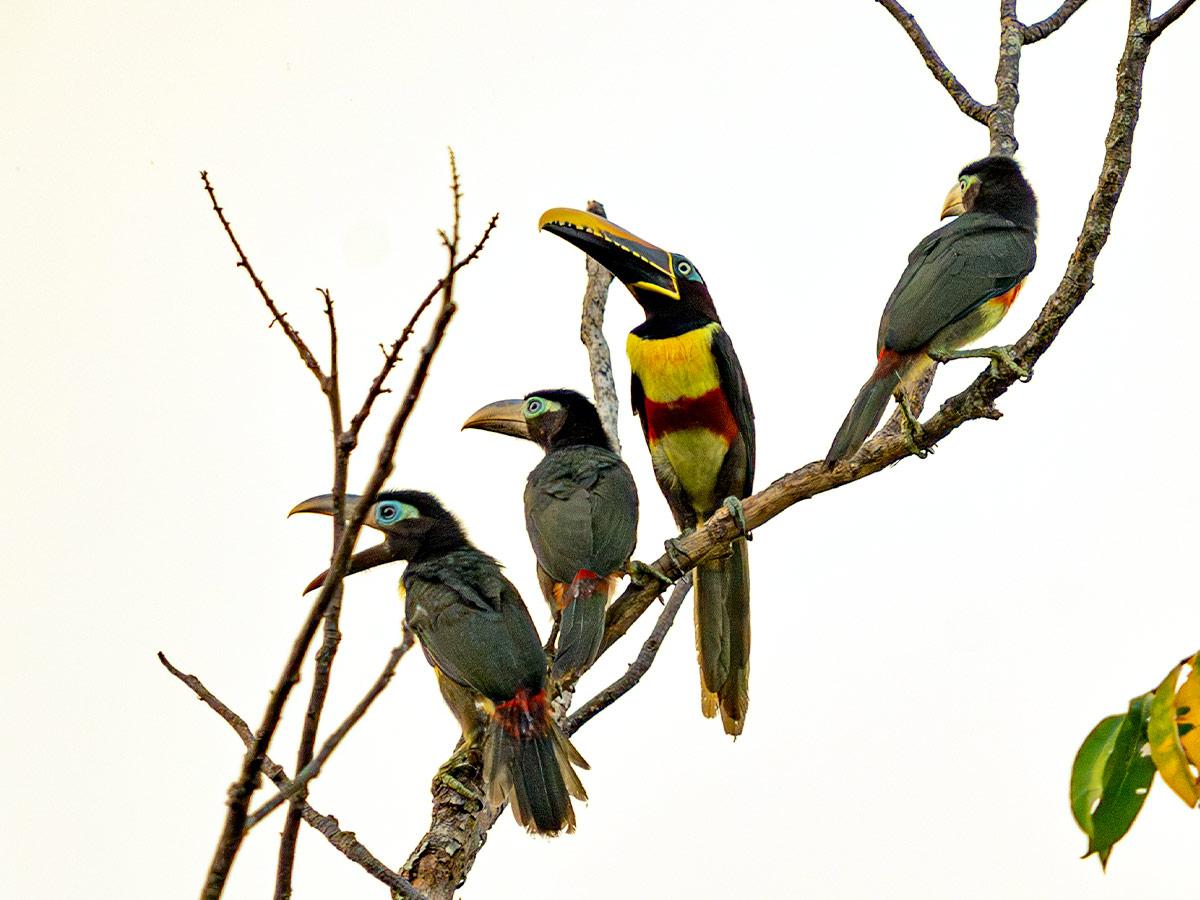
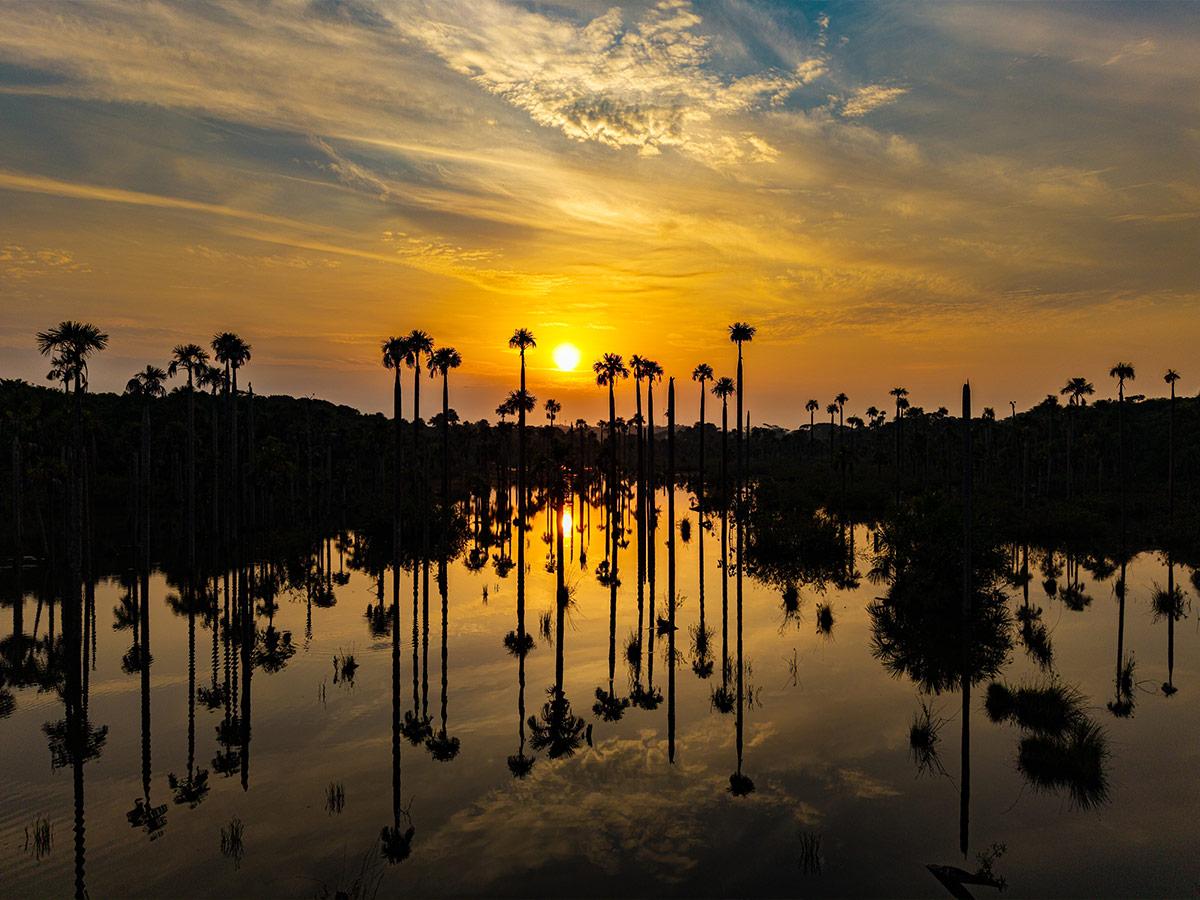
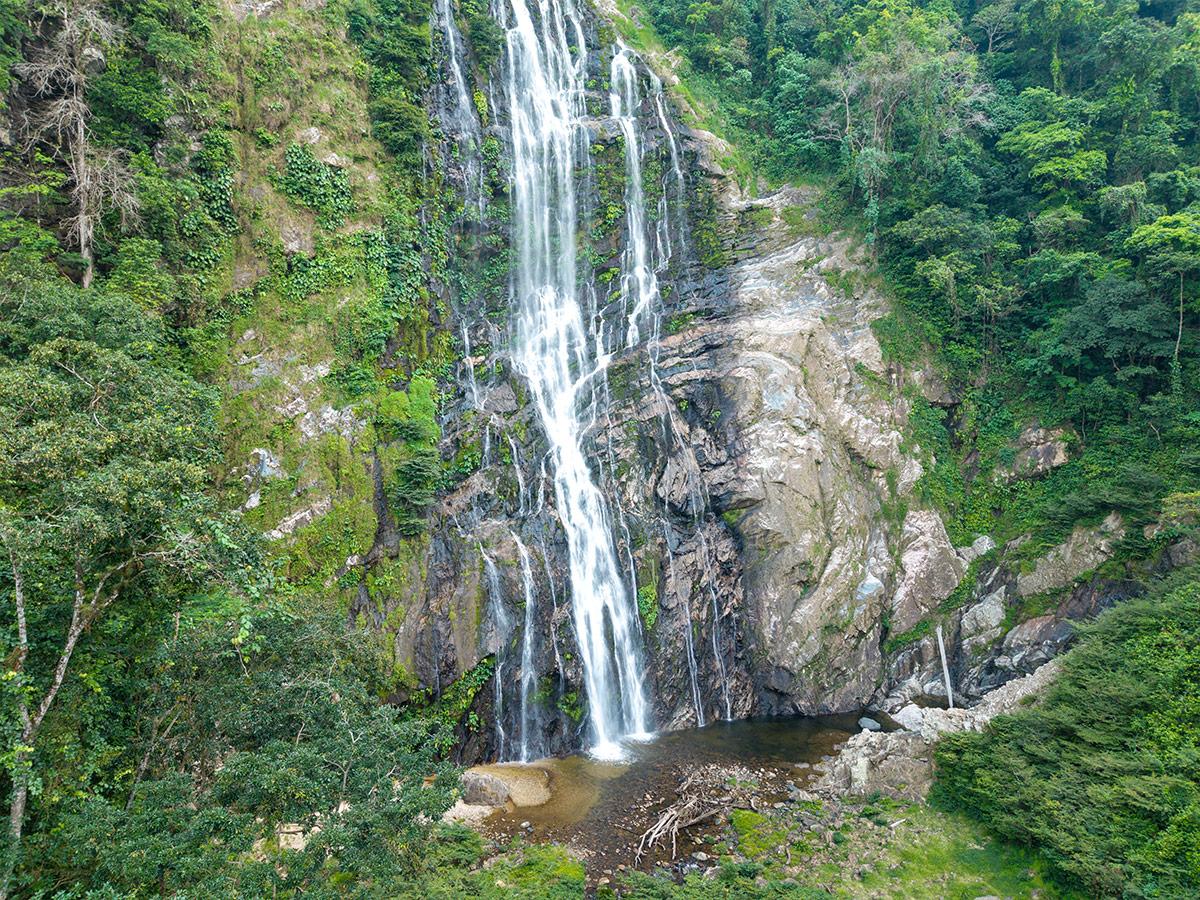
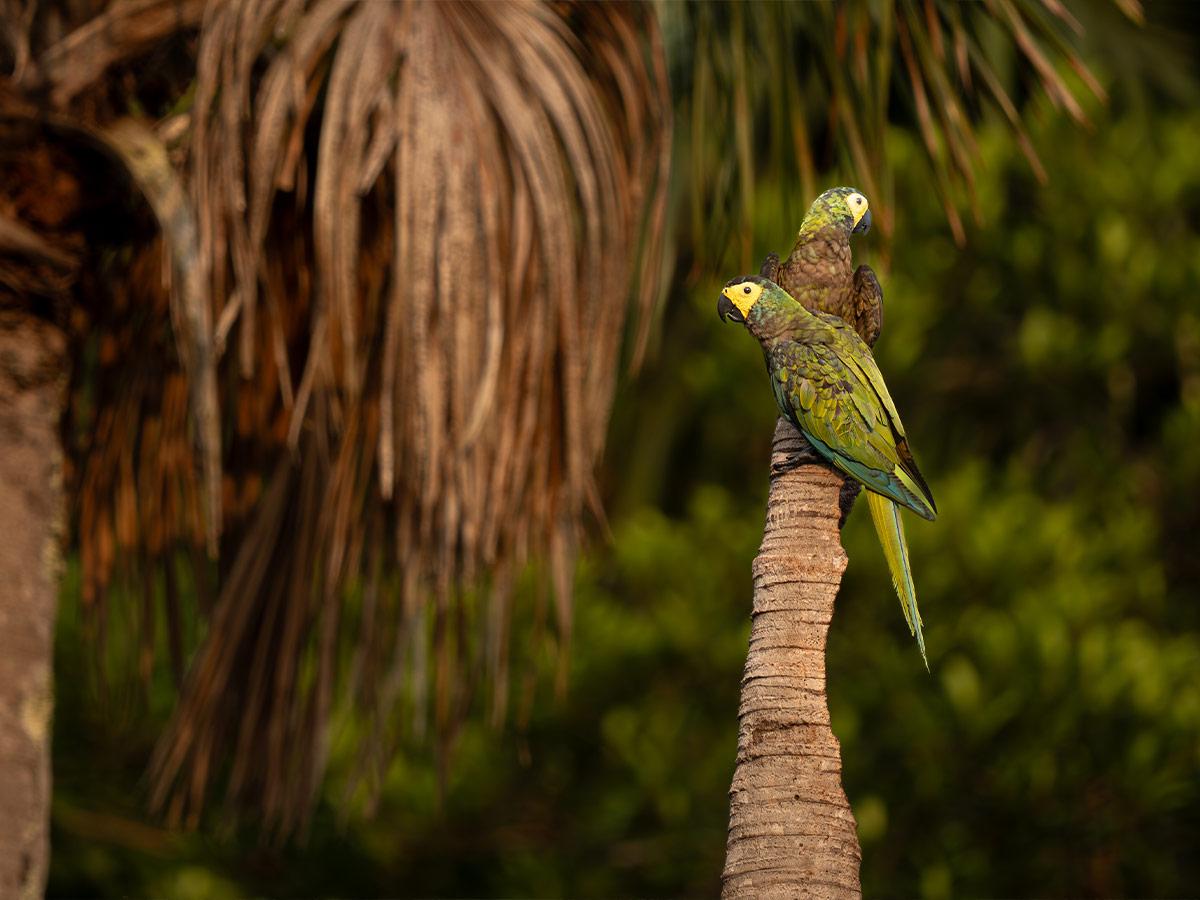
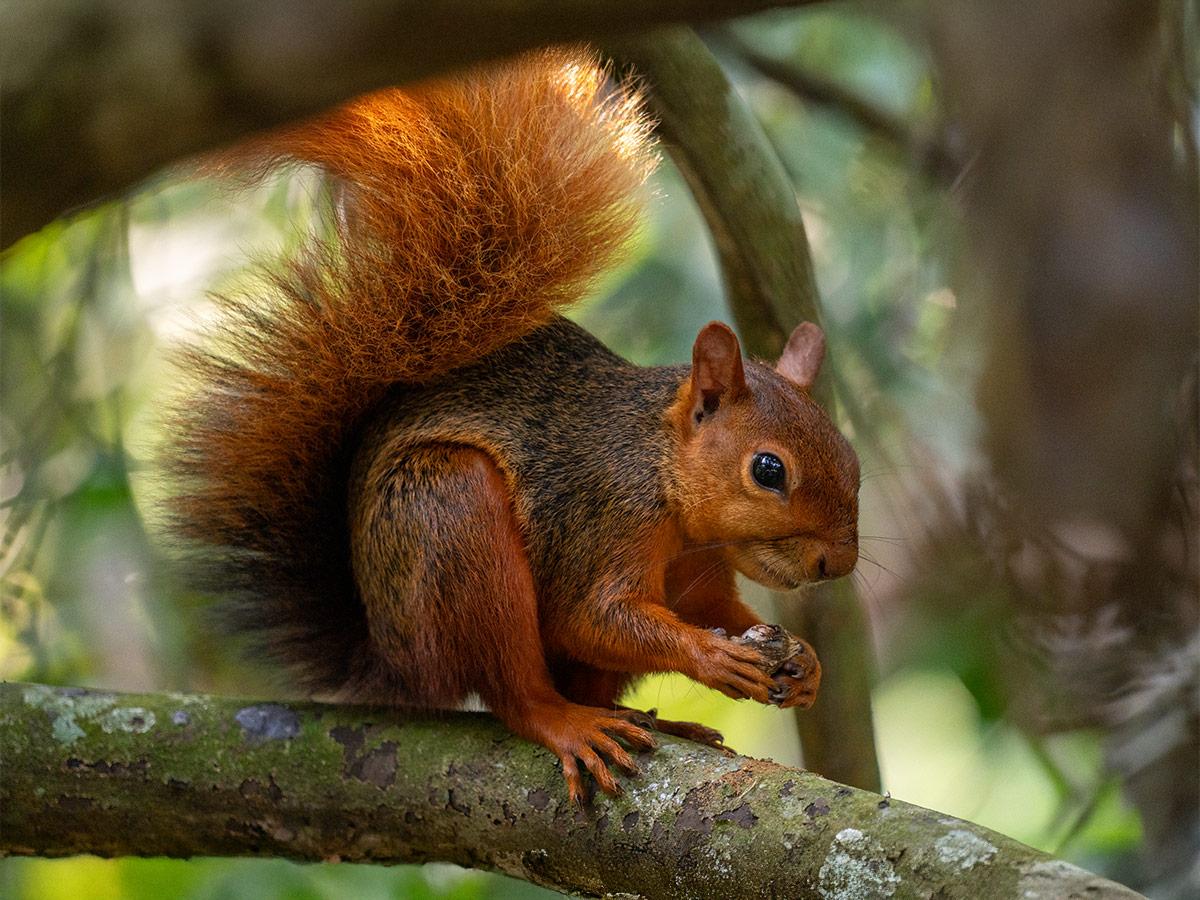
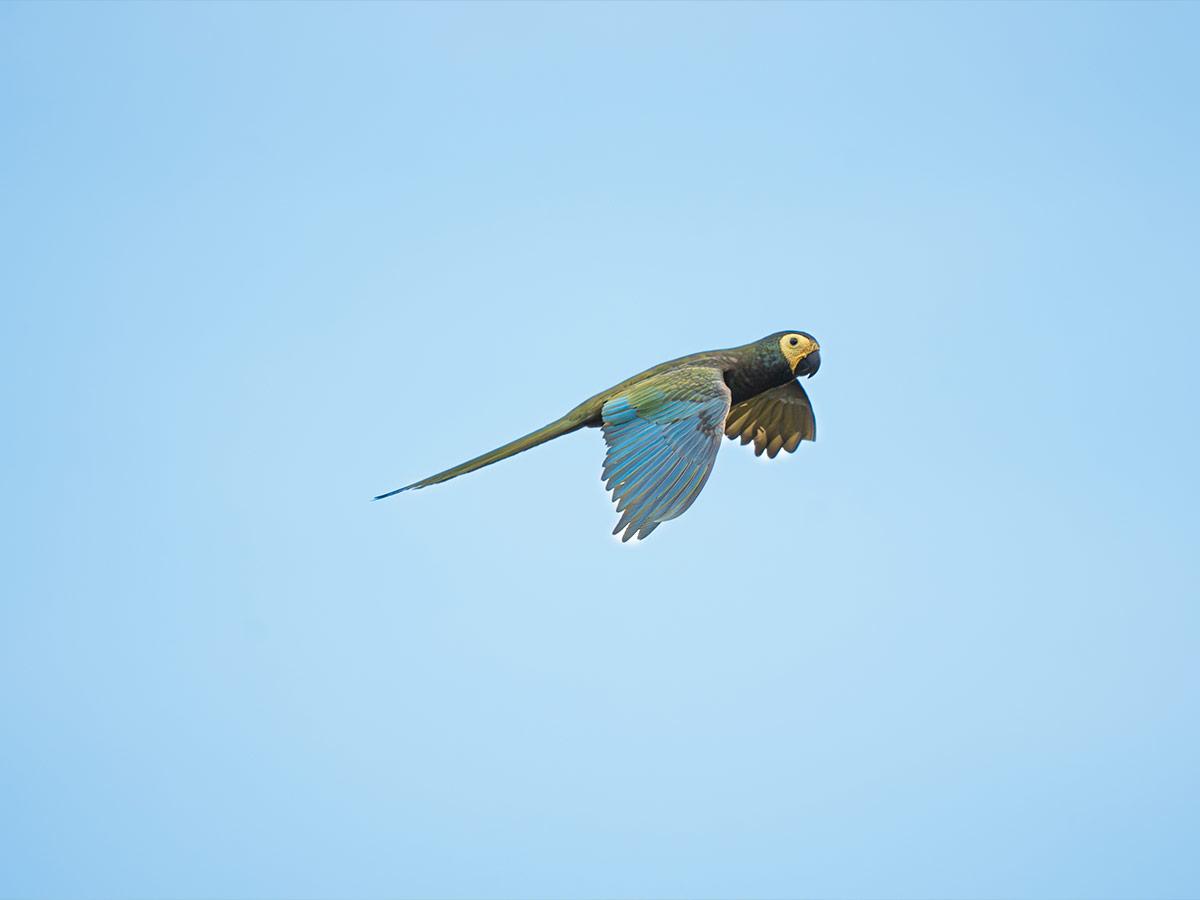
It's a landscape of gently rolling lowland forest, rivers and wetlands, home to jaguars, harpy eagles, giant river otters and dozens of other species. It's also a landscape under real pressure: cattle ranching and farming keep pushing into the forest edge. The project area was defined together with the local families who own and manage this land — each one choosing to keep their forest standing rather than clear it.
Size
40,637 ha
Municipalities
4
Local Families
985
Objectives
The project is guided by one long-term goal:
Reduce deforestation in southern Meta by helping local communities build a sustainable model of forest management and rural development.
That goal is broken down into four specific objectives that work together:
1
Training and education to build people's skills and leadership
2
Support for local families formalizing their land
3
Stronger local governance and community organization
4
Sustainable economic activities that reduce the need to clear new forest.
Beyond climate, the project pursues three intertwined outcomes: cutting carbon emissions, improving the wellbeing of local communities, and protecting the biodiversity of one of Colombia's most important forest corridors.
Timeline
Mid-2026
Independent verification expected
2024 – 2026
Ongoing community engagement and consolidation of its monitoring and governance systems
2024
Formal VCS validation
2021 – 2023
Participatory monitoring
2020 – 2022
Phases of capacity building and governance strengthening
Jan 2020
Field implementation started
2018 – 2019
Signing of formal participation agreements with landowners
2017 – 2018
Community engagement and project identification
Validation and Verification
Current Status
Registered
The project is developed under the Verified Carbon Standard (VCS) and Climate, Community & Biodiversity Standards (CCB).
Project validation and verification are conducted by independent third-party auditors. Audit reports and verification documents are available in the document library.

Community
Theory of Change
Every activity in this project traces back to a simple idea:
If communities gain knowledge, secure their land, strengthen their own governance, and build sustainable livelihoods, they will have both the ability and the motivation to protect their forests — and deforestation will fall as a result.
This "Theory of Change" is organized around the same four specific objectives introduced above, each with its own set of activities, expected results and long-term impacts on climate, community and biodiversity. It's the blueprint connecting everything the project does on the ground to the outcomes it's ultimately working toward: reduced emissions, stronger communities, and a thriving forest.
Social Monitoring Plan
To make sure the project delivers on its promises, it keeps a close eye on how life is changing for the people it works with.
For as long as the project runs, the Social Monitoring Plan tracks the well-being of the following:
- Partner families
- Village commitees
- Local municipal organizations
The plan pays close attention to who benefits and how — distinguishing between smallholders and larger landowners, and paying particular attention to women, elders, young people, day labourers and families affected by Colombia's armed conflict.
Every indicator tracked connects directly back to the project's Theory of Change, so results can always be traced to specific activities and objectives.
Results
SDG Survey Results
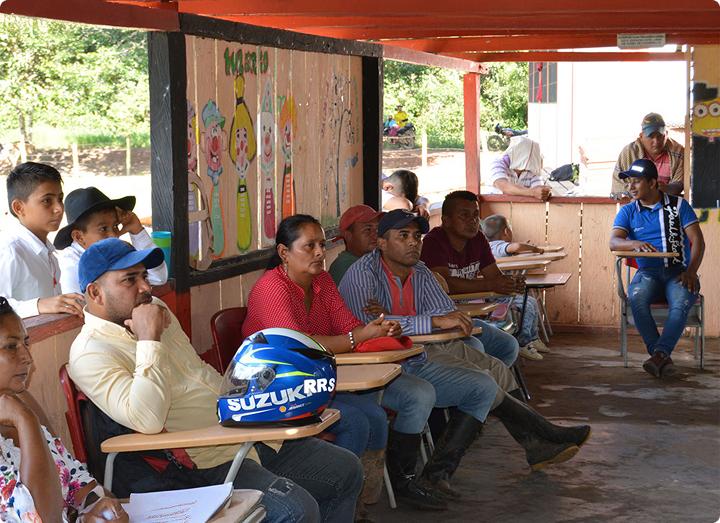
To understand where communities were starting from — and how much progress the project is making — a baseline survey was carried out with 300 project partners and 300 people living just outside the project boundary, covering everything from land tenure and income to healthcare access and gender balance.
The results paint a picture of a resilient but under-served rural population:
Most respondents are farmers with informal land tenure
Over 90% rely on subsidized healthcare
Real gender gap in land ownership & decision-making that the project will take care during the crediting period
These findings connect directly to the UN Sustainability Development Goals the project supports, and give a clear, honest starting point against which future progress can be measured.
SDGs supported


Results
Communication Policy (SOP 2084_06)
Trust starts with communication. The project's Communication Manual sets out exactly how information — about progress, risks, results and decisions — flows between the project team and the communities it works with, and back again.
In practice, that means reaching people through a variety of trusted channels chosen regardless of literacy level or internet access:
- Monthly meetings
- The Voces del Bosque community bulletin
- WhatsApp groups
- Social media
- In-person visits
It also means a clear, confidential channel for anyone to ask questions, raise concerns or file a complaint (the project's PQRS mechanism), and a firm commitment that every report — from audit findings to monitoring results — is available in Spanish and explained in plain language, not left in technical jargon.
Voces del Bosque
Gallery
Gallery
REDD+ Sur del Meta
Feedback & Grievance Mechanism
The REDD+ Sur del Meta Project is committed to maintaining open communication, transparency, and meaningful engagement with communities, project participants, and stakeholders.
This page provides a dedicated channel to submit feedback, concerns, questions, or grievances related to project activities.
Submit Feedback or a Grievance
We welcome feedback from community members, project participants, local organizations, landowners, and other stakeholders.
Please complete the form. All submissions are reviewed and routed to the appropriate members of the project team for assessment and follow-up.
Confidentiality
- Information submitted through this form will be used solely for reviewing and responding to project-related concerns.
- Information will be handled responsibly and shared only with individuals directly involved in reviewing the matter.


