

Why Food and Beverage Companies Must Tackle Supply Chain Emissions Now
Author

Karbon-X
Supply Chain Emissions Are the Biggest Piece of the Puzzle
According to industry research, more than 90% of food and beverage companies’ emissions come from Scope 3 sources, the indirect emissions produced along the value chain, including agriculture, packaging, transportation, and distribution.
Why does this matter?
Because focusing only on Scope 1 (direct emissions like fuel use) and Scope 2 (indirect emissions like purchased electricity) leaves the largest piece of the carbon footprint untouched. Without supply chain action, companies risk missing their climate goals and falling short of stakeholder expectations.
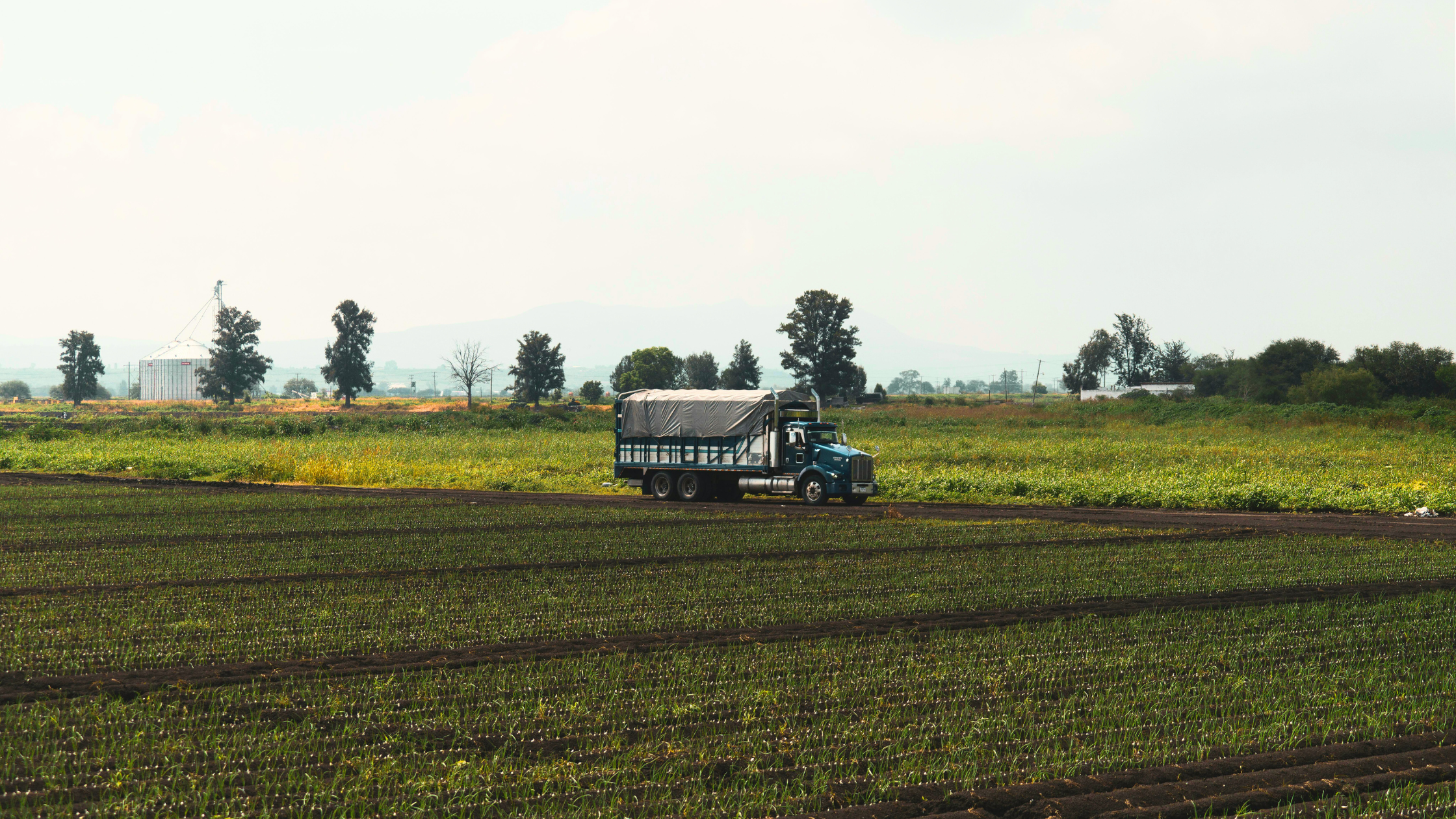
The Pressure Is Rising And Coming from All Sides
F&B companies are facing unprecedented pressure to measure, reduce, and report emissions across the entire value chain.
Regulatory pressure:
The EU Corporate Sustainability Reporting Directive (CSRD) and the U.S. SEC Climate Disclosure Rule are setting new expectations for climate risk disclosure and Scope 3 reporting. Food companies operating globally will need to track and report on supply chain emissions to stay compliant.Investor pressure:
Major investors are evaluating companies on climate performance and ESG risk. According to MSCI, investors are integrating Scope 3 risks into portfolio analysis, particularly in sectors like food, agriculture, and consumer goods.Consumer pressure:
Customers increasingly expect transparency around product sustainability and environmental impact. According to Nielsen, 73% of global consumers say they would change their consumption habits to reduce environmental impact.Retailer and supply chain pressure:
Large retailers are pushing climate requirements down the chain, expecting their suppliers, often mid-market or small companies to provide credible emissions data and reduction plans.
The Risks of Waiting
For companies that delay tackling supply chain emissions, the risks are significant:
Falling behind competitors already embedding climate considerations in procurement and sourcing
Facing barriers to market access with retailers that set strict sustainability requirements
Missing out on investor capital linked to ESG performance
Damaging brand reputation in the eyes of climate-conscious consumers
Exposing the company to regulatory penalties and legal risks
The Benefits of Getting Ahead
Companies that proactively address supply chain emissions can unlock major benefits:
Strengthening resilience across the supply chain
Building stronger supplier relationships
Meeting ESG targets and enhancing investor confidence
Unlocking operational efficiencies and cost savings
Gaining competitive advantage in a shifting marketplace

Where to Start: A Roadmap for Food and Beverage Companies
If you’re wondering where to begin, here’s a high-level roadmap:
1. Identify emissions hotspots.
Start by mapping out your supply chain and identifying the highest-emitting activities — such as farming practices, energy use in manufacturing, packaging materials, and cold chain logistics.
2. Engage suppliers.
Suppliers are critical partners in your emissions journey. Provide clear guidance, explain why data collection matters, and work collaboratively to set shared goals.
3. Measure and track emissions.
Use trusted frameworks such as the Greenhouse Gas Protocol, SBTi, and CDP Supply Chain to build a reliable emissions profile.
4. Set targets and reduction plans.
Define science-based targets and implement strategies like regenerative agriculture, energy efficiency upgrades, packaging redesign, and improved logistics.
5. Integrate offsets where needed.
For unavoidable emissions, choose high-integrity, third-party verified carbon offsets that align with your sustainability strategy.
Why Now?
With 2025 compliance deadlines fast approaching and competitive pressure mounting, now is the time for food and beverage companies to turn commitments into measurable progress.
Companies that lead on supply chain emissions will not only meet evolving standards, they will build stronger brands, future-proof their operations, and position themselves as leaders in a low-carbon economy.
Get the Tools You Need
Ready to take the next step?
Download our Food & Beverage Playbook— your practical guide to addressing supply chain emissions and building stronger supplier programs.
Equip your team with the insights and tools to drive meaningful change across your value chain.


